

By Jamie Camp, MSc PT
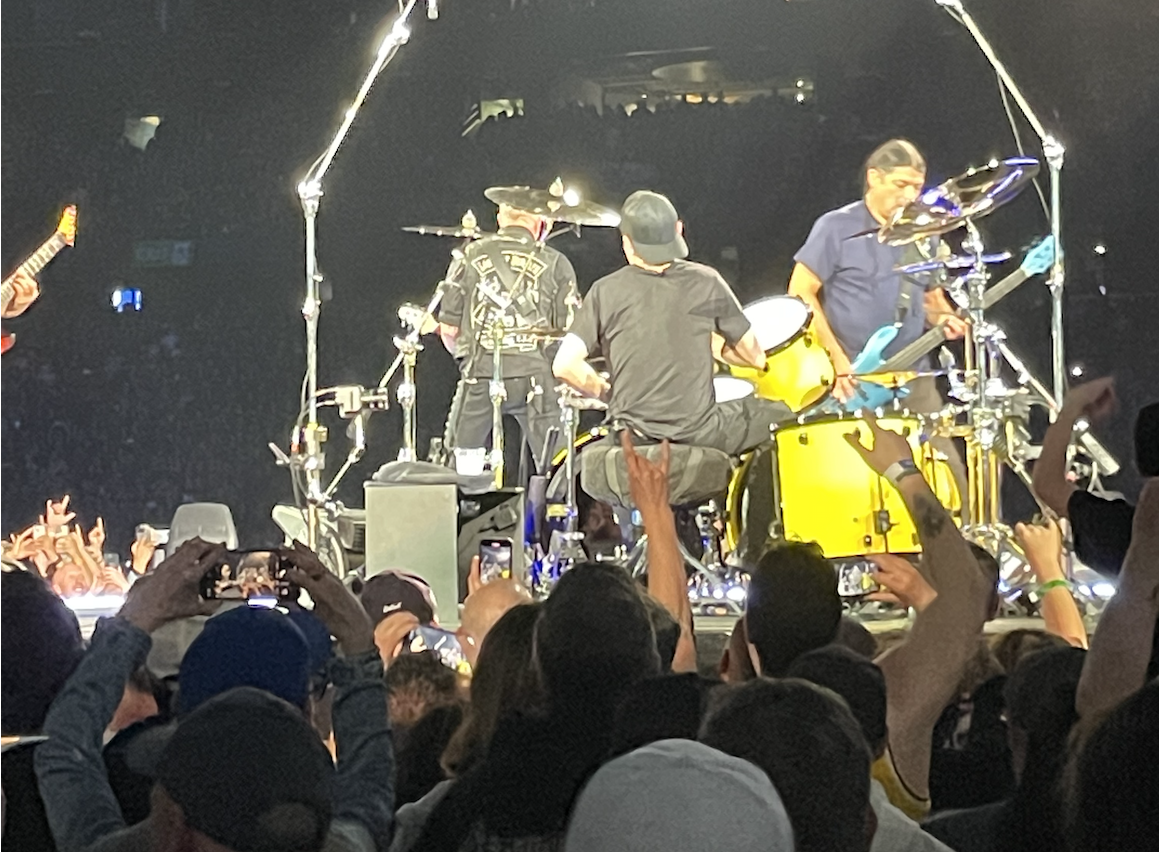
Worked with a touring drummer recently (not this drummer, for the record). He complained of left side shoulder, neck, upper-back tension. Pretty common for drummers. He beats the crap out of drums with his thorax/ribs rotated left over his pelvis. Not surprisingly, he had trouble rotating his whole body to the right (he lives in the other direction - not an ambiturner). Couldn’t turn his neck to the left. His left shoulder was hiked up and pitched forward and right shoulder was dropped. The right side of his pelvis was hiked; also a common compensation - we have to keep our eyes level somehow.
Data from Dr. Nadia Azar and the drummer lab show that a drummer’s athletic effort during a show is similar to marathoners, cross country skiers, Ironman triathletes and competitive road cyclists for the same amount of time. Put those mechanics into a show and drummers basically run a marathon in a seated asymmetrical position every night. Nature of the beast, but that affects your core, obliques, and the tension through various fascial chains and most importantly …. Neural tension. His complaints were through the left shoulder/neck and back. His left side was not the biggest problem. When I picked up his right arm, I could barely extend his elbow to test range of motion due to neural tension snagging from the neck down.
Chronic neural tension affects how your muscles fire as well as your range of motion. His whole right shoulder came with his elbow, which means you don’t have the range or power to really beat the shit out of the drums on that side. It means your neck is tight AF and putting pressure on those nerves as they traverse out of your spine and down your arms to electrify your muscles. This becomes a vicious circle of tension then joint range restriction and vice versa. Not surprisingly, I found some compensation patterns affecting motor output on both sides so we needed to figure out how to bring his nervous system/joint mobility to the dark side when he’s not playing.
A few important notes:
Both pairs of a dysfunctional pattern feel tight - so just beating up everything that feels tight without testing is messing around in someone’s nervous system. Assess, don’t guess.
Motor patterns (compensatory or otherwise) affect joints and vice versa. Dysfunctional/repetitive joint range of motion creates opportunistic compensation patterns which reinforce joint mobility or lack thereof.
The highlights of our Neurokinetic therapy assessment and their consequences:
(some anatomy jargon for the nerds here).
His left levator scap (hikes, protracts your shoulder) was overworking for an underworking longus coli (deep neck flexors, core of your neck) - hiked/elevated shoulder compromised neck stability.
His right psoas (hip flexor) was overworking for an underworking right internal abdominal oblique and transverse abs (anterior core stability) - kept his right hip hiked and his thorax/ribs sideflexed/compressed on that side.
His left SCM (neck rotator, flexor) was overworking for an underworking posterior scalenes (opposite rotator but same side) - creating muscle tension overlying nerves in the neck.
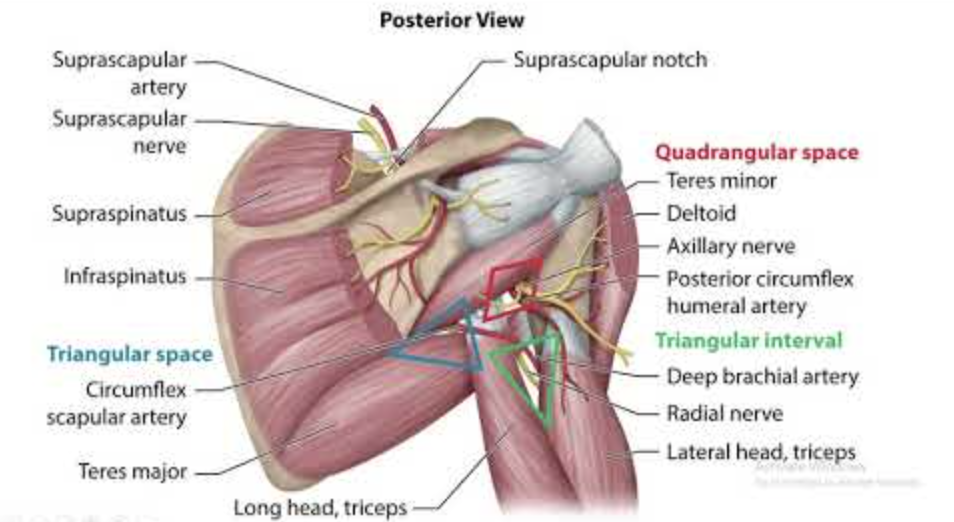
What explained some of the right side neural tension was his right posterior scalenes (neck muscle) overworking for teres major & minor.
Teres major and tricep borders the triangular space where your radial nerve pops out and then feeds your tricep. This is a double whammy because that radial nerve “hose” is getting stepped on at his neck and the back of his shoulder, creating tension and blunting his ability to extend his elbow from both a joint extension perspective and a tricep power perspective. This also needed a functional movement assist in teaching his thorax to side flex left to normalize shoulder height.
Radial nerve also feeds your wrist extensors which you kind of need for drumming. As an aside, a lot of “tennis elbow” can be solved by assessing motor patterning between wrist extensors and triceps.
Fixed these patterns and a few others with some soft tissue work and motor re-activation, some joint mobility (elbow and neck), and gave him 3 minutes of homework to re-pattern the dysfunction that was highest priority for mobility and nervous system, and a functional movement piece to restore rotation and thorax/pelvis symmetry in the opposite direction to where his body currently lives. Firing on all cylinders to bring the noise. Also taught him an upper limb lemniscate (catch-all elbow & wrist mobility, neural floss).
I would never change how someone rocks out (another drummer told me once that he got an ergonomic assessment and doesn’t cross the midline with his arms anymore and i barfed in my mouth a teeny bit). But there are ways to unwind the asymmetries away from the kit.